Machine Polishing Explained: How to Bring Your Paintwork Back to Life
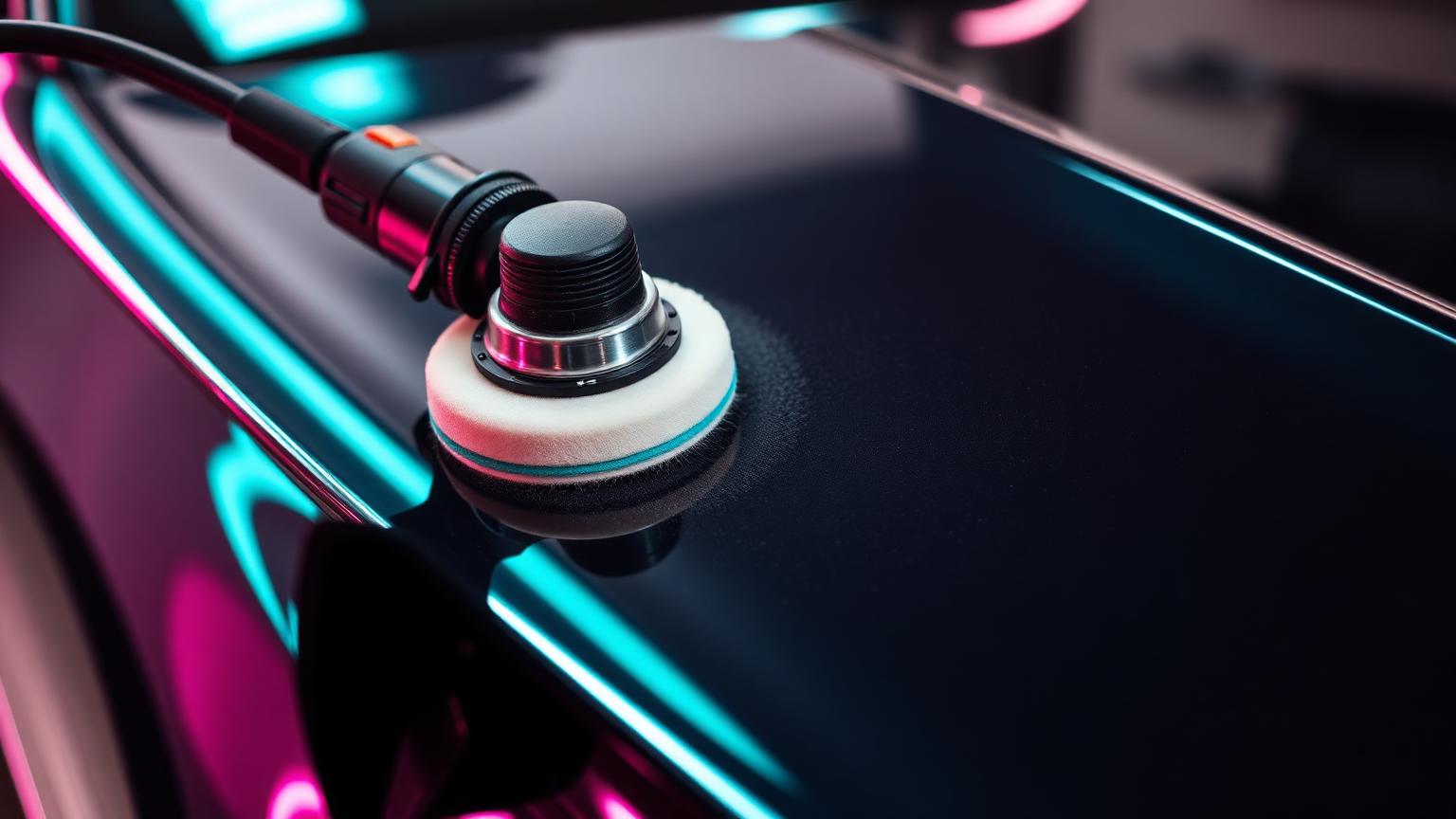
You have seen it before. The car is clean, but step out into direct sunlight and the paint is covered in fine swirls. The colour looks flat. The shine has gone. People often assume it is dirt or just an old car. It is neither. It is damage sitting in the clear coat, and no amount of washing will ever fix it.
This is the part of detailing closest to my background. Finishing a superyacht topcoat to a flawless, mirror standard is a patient, skilled job where there is no hiding a single flaw. Machine polishing a car's paint is the exact same discipline, scaled down to your driveway in Truro. It is where real detailing separates itself from a quick clean.
What machine polishing actually is
Almost every modern car has a clear coat, a thin protective layer of resin over the colour. Over time, incorrect washing drags fine scratches into that layer. Because the scratches sit at all angles, they scatter light instead of reflecting it cleanly, and that is what robs the paint of its gloss.
Machine polishing uses a powered polisher with a pad and a polishing product to remove a microscopically thin layer of that clear coat. Levelling the surface back down removes the scratches and swirls, so light reflects evenly again and the deep gloss comes back. Done properly, it can take a tired, hazy finish and make it look better than it did in the showroom.
Compound versus polish
There are two jobs happening here, and it helps to understand the difference.
- A compound is more abrasive. It does the cutting and removes the defects, the swirls and the lighter scratches.
- A polish is finer. It refines the surface the compound left behind and brings up that final, sharp shine.
Working down through these stages, removing the heavier marks first and then perfecting the finish, is what the industry calls paint correction. It is a process of refinement, and it cannot be rushed.
The levels of correction, so you know what you are paying for
Not every car needs the same level of work, and I will always be honest about what yours actually needs.
- Gloss enhancement. A lighter polish that boosts clarity and shine quickly. Ideal for a newer car or one in good condition that just needs a lift.
- Single-stage enhancement. A more involved polish that removes a large share of the swirls and noticeably restores the gloss. This is the sweet spot for most cars that have suffered from years of normal washing.
- Multi-stage correction. The deepest level of work, for heavily swirled or scratched paint, aimed at the best possible finish. This takes the most time and skill.
Why machine polishing is not a DIY job
This is where it pays to use someone who knows what they are doing. Done without the right knowledge, a machine polisher can do real harm.
- Heat and burn-through. Too much heat in one spot can burn straight through the clear coat, and the only repair is a respray.
- Holograms. The wrong technique leaves its own swirl pattern behind, so the car looks polished but marked.
- Limited paint depth. There is only so much clear coat to work with. Knowing how much can safely come off is the difference between a stunning result and a ruined panel.
- Paint is not all the same. Soft paint and hard paint behave completely differently. Matching the right pad and product to the paint in front of you is the whole game.
Years of working to a marine finishing standard taught me to read a surface and take exactly what is needed and no more.
What you get at the end
When paint correction is done right, the change is dramatic.
- A deep, wet-look gloss returns.
- Reflections become sharp again instead of cloudy.
- The colour looks richer and fuller.
- The paint is now the perfect base for a ceramic coating or wax, which locks the new finish in and protects it.
If you are planning to protect the car with a ceramic coating, the moment straight after correction is the ideal time to do it. You are sealing in flawless paint rather than locking swirls underneath.
Machine polishing and paint correction across Truro and Cornwall
I carry out machine polishing and paint correction across Truro, Falmouth, Newquay, St Austell, Redruth and the wider Cornwall area. Because this is detailed work, it is booked in properly so the car gets the time it needs.
If your paint looks flat, swirled or lifeless under the sun, it is very likely fixable, and the result tends to surprise people.
Frequently asked questions
What is the difference between machine polishing and buffing?
They describe the same family of work. Proper machine polishing follows a controlled process with the right pads and products to remove defects safely, rather than just slapping a product on to hide them temporarily.
Will machine polishing remove every scratch?
It removes swirls and lighter scratches. Deep scratches that have gone through the clear coat into the colour cannot be fully polished out, but they can often be greatly improved. I will tell you honestly what is achievable on your car.
How long does paint correction take?
A single-stage enhancement is often a full day's work. A multi-stage correction on heavily marked paint takes longer. Quality work cannot be rushed, which is why it is booked in advance.
Should I get a ceramic coating afterwards?
It is the perfect time. With the paint freshly corrected, a ceramic coating seals in that flawless finish and protects it going forward.
Do you offer machine polishing as a mobile service in Cornwall?
Yes. I cover Truro and the surrounding Cornwall area. Get in touch and we will arrange a time that gives your car the attention it needs.
Keep reading

How to Safely Wash Your Car Without Ruining the Paint
The biggest threat to your car's paintwork isn't the weather, it's the way the car gets washed. Here's the marine-grade safe wash method.

What Does a Professional Car Detail Actually Involve?
The word 'detailing' covers everything from a quick wash to a full day of skilled work. Here's exactly what a proper detail involves, stage by stage.