How to Safely Wash Your Car Without Ruining the Paint

Here is something most people in Cornwall do not realise. The biggest threat to your car's paintwork is not the weather, the salt coming off the A30, or the lanes around Truro. It is the way the car gets washed.
Every time a car is washed badly, fine grit gets dragged across the paint. You cannot see it happening, but over months and years those tiny scratches build into a haze. Park in direct sunlight or under a streetlight and there it is. A spider's web of fine swirls across the bonnet and roof. It dulls the colour, flattens the shine, and makes a good car look tired.
I learned this side of the trade long before I ever touched a car. My background is in superyacht finishing. I worked at Pendennis Shipyard in Falmouth and spent time as a bosun on large motor yachts, where a single scratch on a hull worth millions is simply not an option. The standards I bring to a car on a driveway in Truro are the same standards that protect a paint finish out at sea. Get the wash right and everything else follows. Get it wrong and you are slowly destroying the finish every single week.
Why washing causes more damage than driving
Almost every modern car has a clear coat. It is a thin layer of clear resin that sits over the colour and gives the car its gloss. It looks tough, but it is surprisingly soft and very easy to scratch.
When grit and road grime are sitting on that surface and you drag a sponge or mitt across it, you are grinding sharp particles into the paint. The dirt does the damage, not the cloth. This is exactly why the old bucket and sponge approach is so harsh. The sponge holds the grit, and you rub it back and forth across the panel.
Where it usually goes wrong
If you have ever wondered why your paint looks dull even when the car is clean, the cause is almost always one of these.
- Automatic roller car washes. Those big spinning brushes have already scrubbed hundreds of dirty cars that day. Every bit of grit from every one of those cars is now in the brush, and then it goes across your paint.
- Cheap hand washes. Many use one bucket of dirty water and a grubby mitt, and wash in fast circles under pressure. Speed is the goal, not paint safety.
- No proper pre-wash. If the dirt is not loosened and rinsed off before anything touches the car, you are washing grit straight into the clear coat.
None of this means you are doing anything wrong. It means the people washing the car are not protecting it.
The safe wash method, step by step
This is the process I follow on every car, and it is the same logic used to protect high-value paint finishes in the marine world.
- 1Pre-rinse. Jet wash the car first to flush off as much loose dirt and grit as possible before any contact.
- 2Pre-wash and snow foam. A clinging foam is applied to lift and soften the grime that is bonded to the paint, so the majority of it is gone before a mitt ever touches the surface.
- 3Wheels and arches first. These are the dirtiest part of the car, so they are cleaned separately with their own dedicated kit. Their grit never goes near the paintwork.
- 4The two-bucket method. One bucket holds the shampoo, one holds clean rinse water. A grit guard sits at the bottom of each so dirt drops away and stays away from the mitt. After every section the mitt is rinsed clean before it touches the car again.
- 5Wash top to bottom in straight lines. Straight passes, not circles, with a softer mitt for the upper panels and a separate one for the dirtier lower panels.
- 6Decontamination. Some bonded contaminants survive any wash. Specialist treatments and a clay stage pull out embedded fallout and tar so the paint is truly clean.
- 7Dry properly. A soft drying towel and a drying aid, never left to air dry, which causes water spots that etch into the paint.
- 8Protect. A sealant, a wax, or a ceramic coating to shield the finish until next time.
Why this matters for your car's value
A swirl-free, protected finish does not just look better. It holds its colour, photographs better when you come to sell, and protects the resale value of the car. A premium car with hazed, swirled paint instantly looks older than it is.
The frustrating part is that once swirls are in the clear coat, no wash will remove them. The only proper fix is machine polishing, which is exactly why washing the car correctly from the start saves you money in the long run.
Mobile safe washing across Truro and Cornwall
I bring the full safe wash setup to your driveway. Whether you are in Truro, Falmouth, Penryn, Newquay, St Austell, Redruth, Camborne or one of the surrounding villages, you get marine-grade standards without leaving home.
If your car has not been washed this carefully before, you will see the difference straight away, and the paint will stay looking newer for far longer.
Frequently asked questions
Is a hand car wash bad for my car's paint?
Most local roller washes and quick hand washes cause fine swirls over time because of dirty brushes, dirty mitts and circular scrubbing. A proper safe wash uses a pre-wash stage and clean kit to avoid this.
How often should I wash my car?
A gentle maintenance wash roughly once a month keeps the finish protected. In winter, with all the salt and grime on Cornish roads, a little more often is worth it.
Can you remove swirl marks that are already there?
Yes. Existing swirls are corrected with machine polishing, which restores the gloss before the paint is protected again.
Do you come to me?
Yes. VaporWave Vehicle Services is fully mobile across Truro and Cornwall. I bring everything needed to your home or workplace.
Keep reading
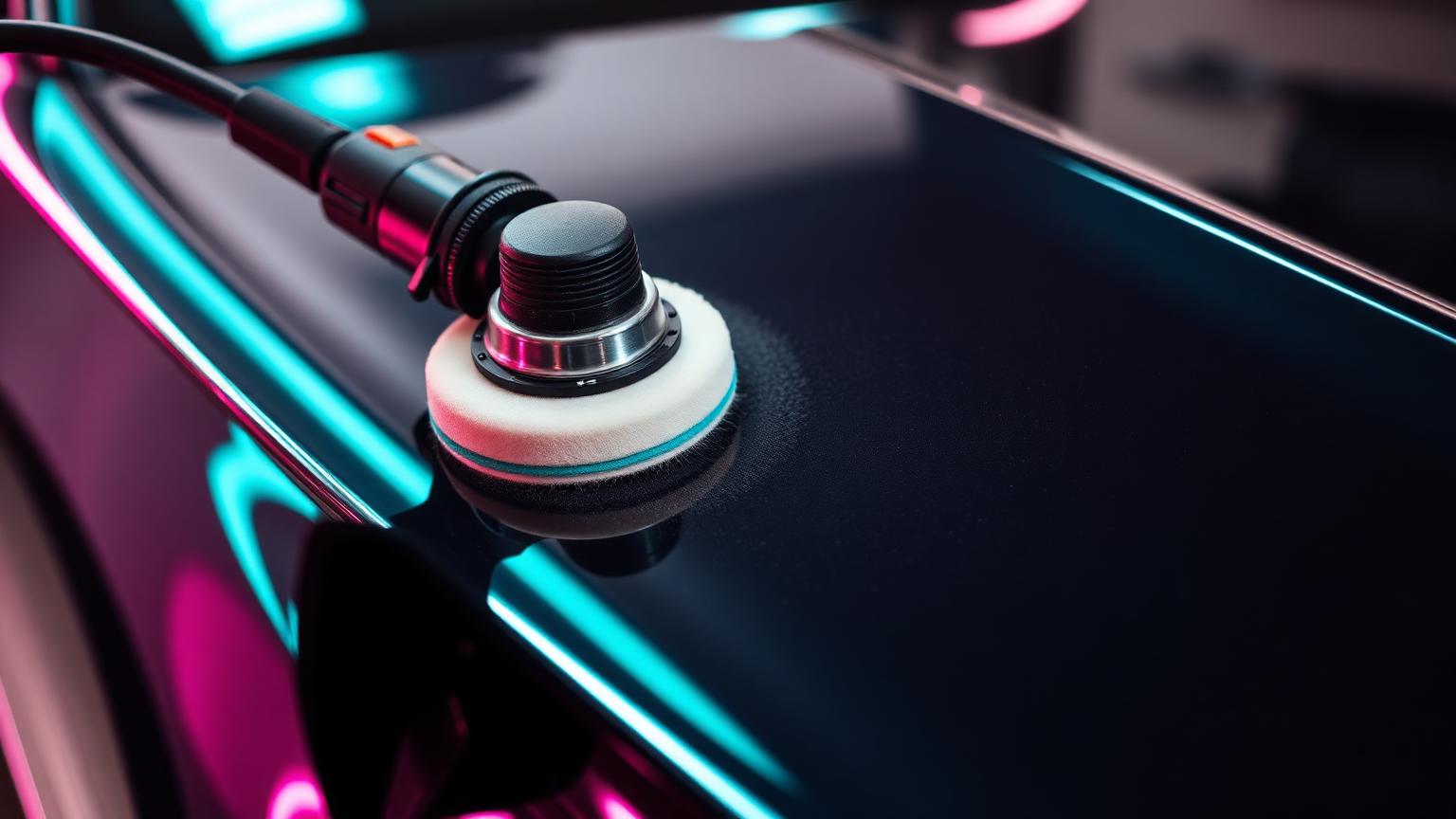
Machine Polishing Explained: How to Bring Your Paintwork Back to Life
If your paint looks flat, swirled or lifeless under the sun, it's almost always fixable. Here's what machine polishing actually does.

What Does a Professional Car Detail Actually Involve?
The word 'detailing' covers everything from a quick wash to a full day of skilled work. Here's exactly what a proper detail involves, stage by stage.